
Introduction
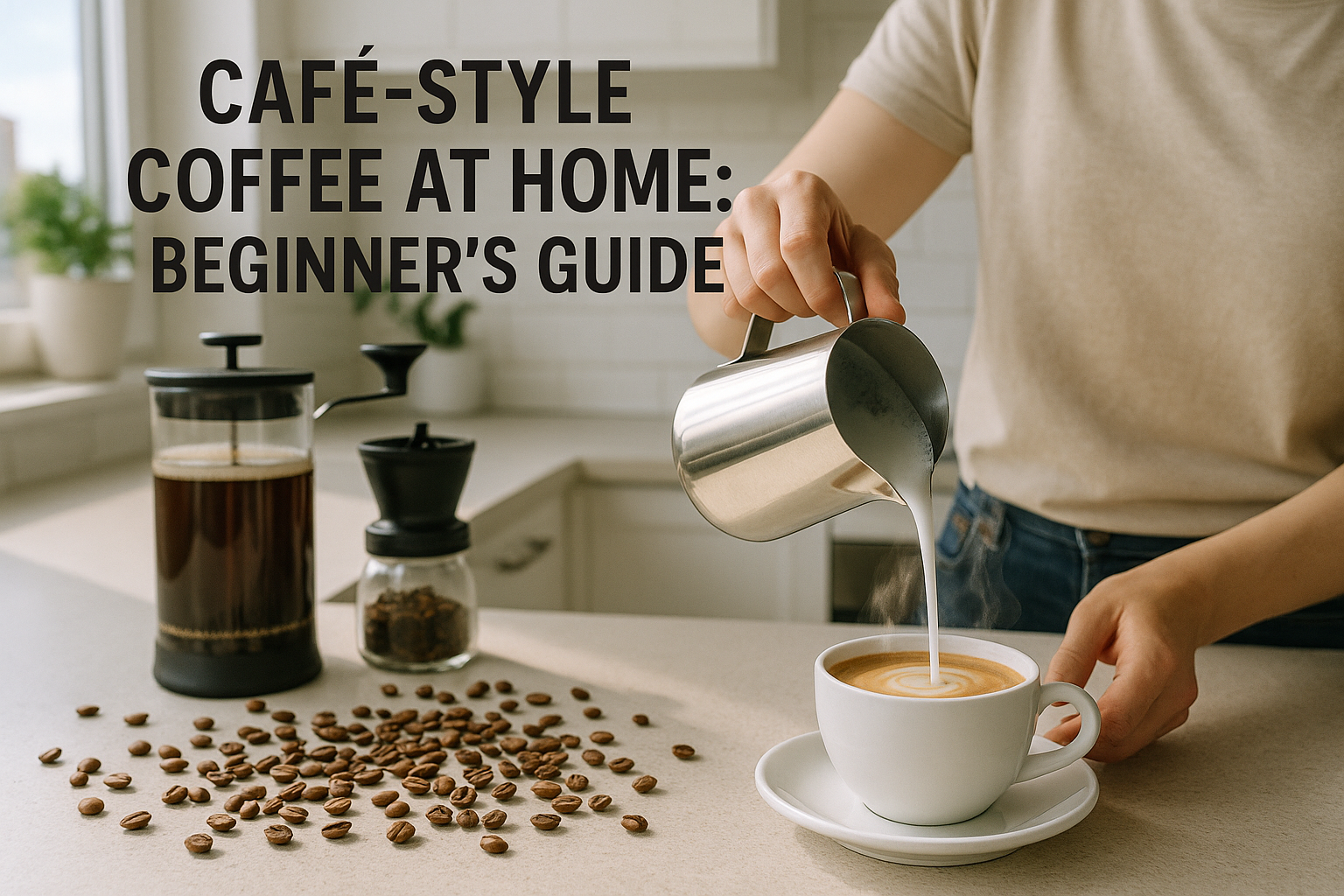
There’s something magical about enjoying a perfect cup of coffee at your favorite café—the rich aroma, the creamy texture, the warmth in your hands. But going out for coffee every day can be expensive and time-consuming. Luckily, with a few simple techniques and the right equipment, you can brew café-quality coffee at home.
This beginner’s guide will show you how to make espresso, cappuccino, latte, and more, along with tips, tricks, and hacks to elevate your home coffee experience in 2025.
1. Understanding Coffee Basics
Before diving into brewing, it’s important to understand the key elements of coffee:
1. Coffee Beans
- Arabica: Smooth, sweet, mild acidity
- Robusta: Strong, bitter, higher caffeine content
- Choose freshly roasted beans for best flavor
2. Roast Levels
- Light roast: Fruity, acidic, bright flavor
- Medium roast: Balanced, nutty, slightly sweet
- Dark roast: Bold, smoky, chocolatey
3. Grind Size
- Coarse: French press
- Medium: Drip coffee
- Fine: Espresso
- Very fine: Turkish coffee
Tip: Grind beans fresh just before brewing for maximum flavor.
2. Essential Coffee Equipment for Beginners
You don’t need a professional café setup to enjoy high-quality coffee. Here’s what you need:
- Coffee grinder: Burr grinders are preferred for uniform grind
- Coffee maker: Options include French press, drip, pour-over, espresso machine
- Milk frother: For cappuccinos, lattes, or macchiatos
- Scale and timer: Ensure precise measurements and brewing time
- Coffee accessories: Filters, tampers, and clean containers
Starting simple allows you to experiment before investing in high-end equipment.
3. Brewing Methods for Café-Style Coffee
1. Espresso
- Fine-ground coffee packed into a portafilter
- Brewed under high pressure (9 bars) for 25–30 seconds
- Base for cappuccinos, lattes, and macchiatos
- Tip: Use 18–20 grams of coffee for a double shot
2. French Press
- Coarse coffee steeped in hot water for 4 minutes
- Plunge slowly to separate grounds from liquid
- Full-bodied, rich flavor
- Ideal for 2–4 cups
3. Pour-Over
- Medium grind coffee in a paper or metal filter
- Pour hot water slowly in circular motion
- Extracts nuanced flavors, clean and smooth cup
- Popular for single-serve brewing
4. Aeropress
- Combines immersion and pressure brewing
- Quick, versatile, produces strong, smooth coffee
- Great for beginners experimenting with different recipes
4. Frothing Milk Like a Barista
Café-style drinks often require creamy, textured milk.
Techniques
- Steam wand: Introduces microfoam for cappuccinos and lattes
- Hand frother: Affordable, easy for beginners
- French press frothing: Pumping milk with a plunger creates foam
- Tip: Heat milk to 60–65°C (140–150°F) for optimal sweetness and texture
Milk Options
- Dairy: Whole, skim, or semi-skimmed
- Plant-based: Almond, oat, soy, or coconut milk (adjust frothing time)
Frothed milk transforms basic coffee into creamy café-style beverages.
5. Popular Café-Style Coffee Recipes
1. Latte
- 1 shot espresso
- 200 ml steamed milk
- Light layer of foam
- Optional: syrup (vanilla, caramel, hazelnut)
2. Cappuccino
- 1 shot espresso
- Equal parts steamed milk and microfoam (1:1:1 ratio)
- Sprinkle cocoa or cinnamon for garnish
3. Macchiato
- 1 shot espresso
- Small dollop of milk foam
- Strong, bold, and concentrated flavor
4. Mocha
- 1 shot espresso
- Steamed milk + chocolate syrup
- Whipped cream on top
5. Iced Coffee
- Brewed coffee chilled over ice
- Optional milk or syrup
- Perfect for summer or refreshing mornings
6. Flavor Enhancements and Additions
You can customize your coffee to suit your taste:
- Syrups: Vanilla, caramel, hazelnut, chocolate
- Spices: Cinnamon, nutmeg, cardamom
- Sweeteners: Sugar, honey, agave syrup
- Toppings: Cocoa powder, chocolate shavings, whipped cream
Experimenting with flavors creates a café-like experience at home.
7. Tips for Perfect Coffee Every Time
- Use filtered water for cleaner taste
- Measure coffee and water precisely (1:15–1:18 ratio for drip)
- Pre-warm your cups to retain temperature
- Store beans in airtight containers, away from light and heat
- Clean your equipment regularly to prevent buildup of oils and residues
Attention to detail makes a huge difference in taste and quality.
8. Making Coffee a Morning Ritual
Transform coffee-making into a mindful, enjoyable experience:
- Set up a dedicated coffee corner
- Take time to grind, brew, and froth carefully
- Enjoy aroma and ritual before sipping
- Pair with light breakfast or pastry
This ritual enhances both flavor enjoyment and mental preparation for the day.
9. Cost Savings and Sustainability
Making café-style coffee at home can save money and reduce waste:
- Average café latte costs $4–$5; homemade cost: $0.50–$1
- Reduce disposable cups by using reusable mugs
- Buy whole beans and grind fresh to reduce packaging
- Opt for sustainably sourced coffee beans
Home brewing is eco-friendly and budget-conscious, perfect for daily enjoyment.
10. Experiment and Personalize
The best café-style coffee comes from experimentation:
- Adjust grind size, water temperature, and brewing time
- Try alternative milk options
- Experiment with flavor syrups and spices
- Keep a coffee journal to track successful recipes
Personalization allows you to craft your ideal cup every time.
Conclusion
Making café-style coffee at home is both fun and rewarding. With the right beans, equipment, and techniques, beginners can enjoy espresso, lattes, cappuccinos, and iced coffee without leaving the kitchen.
By following this guide and experimenting with flavors, frothing, and brewing methods, anyone can create a professional-quality coffee experience at home in 2025—satisfying cravings, saving money, and indulging in the perfect morning ritual.