
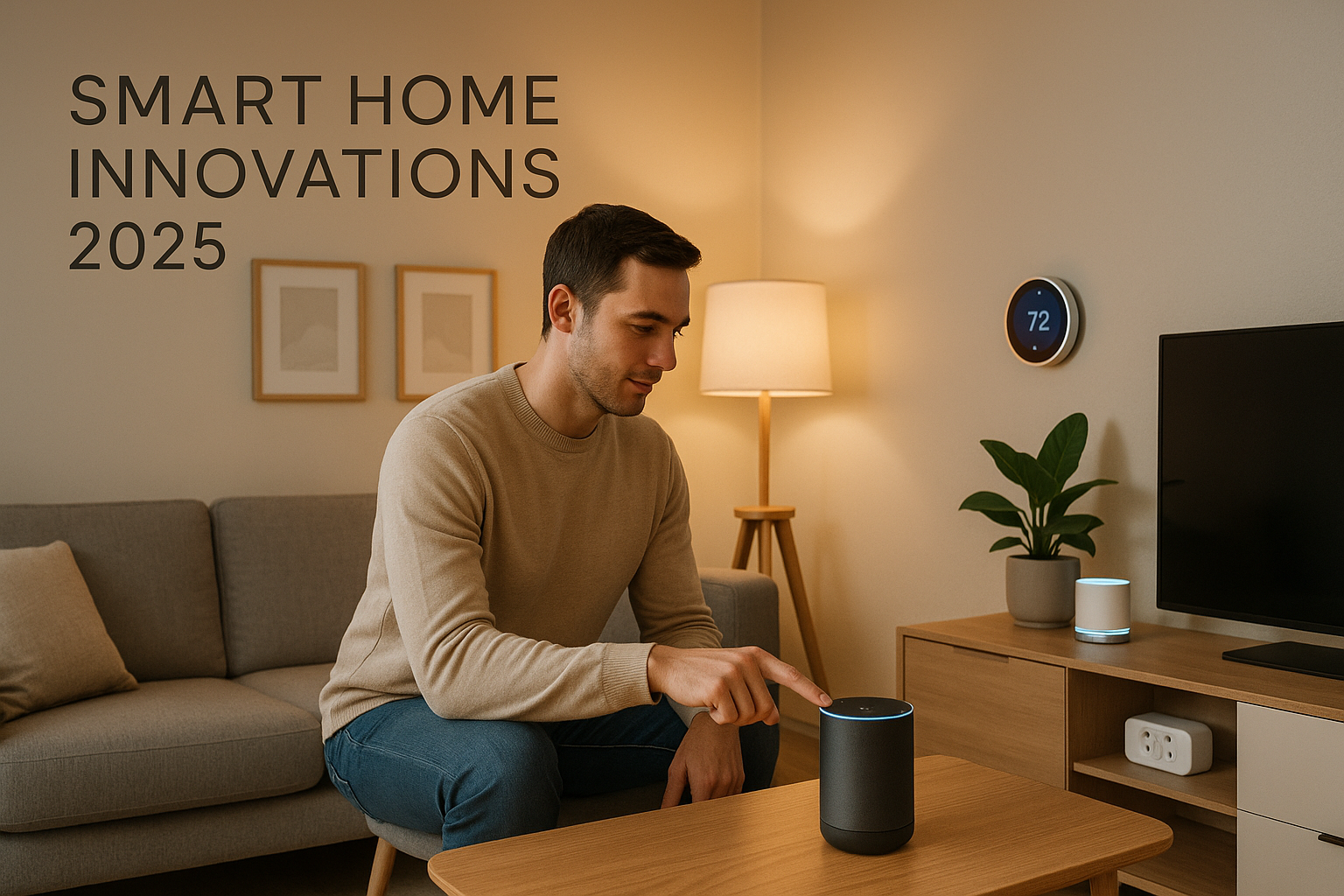
Introduction
Imagine a home that lights up as you enter, adjusts its temperature based on your preferences, suggests meal plans depending on what’s in your fridge, cleans itself, protects your belongings with AI-powered surveillance, and even reminds you of your appointments—all without you lifting a finger. This is not a scene from a sci-fi movie anymore; this is the reality of smart homes in 2025.
Smart home technology has grown dramatically over the past decade, turning everyday living spaces into highly intelligent environments. With AI, IoT devices, automation, and advanced sensors, our homes are becoming more responsive, energy-efficient, secure, and personalized. Whether you’re living in a small apartment or a luxury villa, these smart innovations are transforming daily life in remarkable ways.
In this blog, we explore the top smart home innovations that are shaping the way we live, work, relax, and interact with technology. These advancements are not just convenient—they are redefining modern living.
1. AI-Powered Virtual Home Assistants
AI assistants have evolved far beyond simple voice commands. Today’s smart home AI can manage household tasks, learn your habits, and offer proactive suggestions.
What modern AI home assistants can do:
- Adjust lights, temperature, and appliances based on your routine
- Create personalized schedules
- Detect your mood through voice patterns
- Integrate with security systems
- Suggest recipes and grocery lists
- Manage entertainment systems
- Offer real-time reminders and alerts
These assistants act like digital home managers, ensuring everything runs smoothly without requiring constant input from you.
2. Smart Lighting That Adapts to Your Emotions and Schedule
Lighting has become highly intelligent, capable of adjusting brightness, color, and temperature automatically.
Key features:
- Lights brighten gradually in the morning like a sunrise
- Ambient lighting for movie nights
- Motion-sensing lights for hallways
- Circadian rhythm support for better sleep
- Voice-controlled and app-controlled systems
Smart lighting enhances comfort, reduces energy use, and creates a soothing atmosphere for every moment of the day.
3. Advanced Security Systems with Facial Recognition
Security technology has taken a major leap forward. Smart home security systems now use AI, facial recognition, and real-time monitoring to keep your home safe.
Modern security features include:
- Smart cameras with person detection
- Facial recognition to identify family and strangers
- AI alerts for suspicious behavior
- Doorbell cameras with two-way communication
- Geofencing to lock doors automatically
- Smart alarms connected to your smartphone
These systems provide peace of mind whether you’re home or away.
4. Smart Thermostats for Total Comfort and Energy Savings
Smart thermostats can now learn your preferences, track your routine, and automatically adjust the temperature.
Benefits:
- Reduces energy bills
- Keeps your home comfortable at all times
- Detects when you’re away
- Integrates with weather data
- Responds to your voice or smartphone
They make climate control effortless and efficient, ensuring eco-friendly living.
5. AI-Enhanced Kitchen Appliances
The kitchen has become one of the smartest areas of the home. Appliances are now more efficient, intuitive, and connected than ever.
Examples of smart kitchen innovations:
- Smart refrigerators that track groceries
- AI-powered ovens that recognize food and adjust settings
- Voice-activated coffee machines
- Smart dishwashers with energy-saving modes
- App-controlled cooking timers and recipes
Cooking is becoming easier, faster, and more enjoyable thanks to these innovations.
6. Robotic Cleaning Devices for Hassle-Free Home Maintenance
Cleaning has become almost fully automated. Smart cleaning robots can vacuum, mop, and even deep-clean corners without human assistance.
Today’s advanced smart cleaners include:
- Robot vacuums with room mapping
- Self-emptying dust bins
- AI-powered mopping robots
- Pet hair–friendly cleaning modes
- Voice-controlled operations
These devices save time and reduce the stress of daily house chores.
7. Smart Sleep Systems for Better Rest
Sleep technology has improved dramatically, helping people rest better and wake up refreshed.
Features of modern smart beds and sleep systems:
- AI-driven mattress firmness adjustments
- Temperature regulation
- Sleep tracking and reports
- Smart alarms that wake you at the right stage
- Anti-snore technology
Good sleep affects health, productivity, and mood—making smart sleep systems a game changer for daily life.
8. Connected Bathrooms and Smart Showers
Even bathrooms are now smart, offering luxury, hygiene, and convenience in new ways.
Examples of smart bathroom features:
- Smart mirrors with weather updates
- AI skincare analysis
- Water temperature presets
- Smart showers with voice control
- Self-cleaning toilets
- Water-saving features for eco-friendly living
These innovations turn everyday routines into spa-like experiences.
9. Smart Entertainment Systems for Immersive Living
Entertainment has entered the next generation with smart TVs, home theaters, and AI-driven content suggestions.
Features include:
- Voice-controlled smart TVs
- Personalized movie and music recommendations
- Surround sound that adapts to room acoustics
- Wireless speakers throughout the house
- Streaming systems integrated with AI assistants
These systems make watching movies, listening to music, and gaming more immersive.
10. Sustainable Smart Home Solutions
Sustainability is becoming a core part of smart home technology. Many modern systems aim to reduce electricity, water, and overall environmental impact.
Eco-friendly smart home solutions:
- Solar-powered systems
- Smart water meters
- Energy-efficient appliances
- Automated blinds that reduce heat
- Smart recycling bins
- Electric vehicle charging stations
These innovations help homeowners reduce their carbon footprint while saving money.
11. Home Health Monitoring and Wellness Technology
Wellness has moved into the home through connected devices that track physical and mental health.
Wellness-focused innovations include:
- Air purifiers with allergen sensors
- Smart humidifiers
- Indoor fitness equipment with real-time coaching
- Health monitoring wearables connected to home systems
- Meditation and relaxation devices
Your home becomes a wellness hub, promoting a healthier lifestyle.
12. Smart Furniture With Built-In Technology
Furniture is no longer just furniture—it’s becoming intelligent too.
Examples include:
- Desks with wireless charging
- Sofas with built-in speakers
- Beds with sleep sensors
- Coffee tables with cooling compartments
- Wardrobes with outfit suggestions
This blend of comfort and tech elevates daily living.
13. Multi-Device Integration With a Single Ecosystem
One of the biggest innovations of recent years is seamless integration among smart devices. No matter the brand or device type, systems now work together easily.
Ecosystem features:
- Centralized apps for entire home management
- Cross-device automation
- Unified voice assistants
- Shared user preferences across devices
This makes controlling a smart home easier than ever.
Conclusion
Smart home innovations are transforming the way we live, making our homes more efficient, secure, comfortable, and personalized. What once felt futuristic is now becoming part of everyday life. From AI assistants and robotic cleaners to intelligent lighting and advanced security systems, these technologies are redefining home living in 2025.
Whether you’re upgrading your entire house or starting with a few smart gadgets, the future of smart homes promises convenience, safety, and sustainability. As technology continues to evolve, homes will keep getting smarter, helping people live better, simpler, and more connected lives.